FOOD IN KOREA
Kimchi (fermented vegetables)
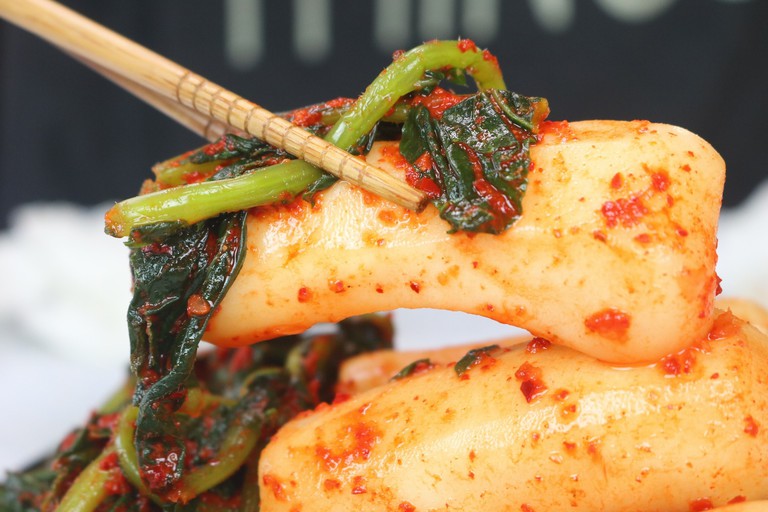
One of the oldest and probably the most essential dishes in Korean cuisine, kimchi is a spicy and sour dish made up of fermented vegetables.
It is prepared with various kinds of ingredients, but the most common main ingredient is cabbage.
Kimchi is popular among foreigners for its unique flavor, as well as its high nutritional value, fiber content and low calorie content.
However, for Koreans, it is most popular due to its significant cultural value. Without kimchi, dinner is
considered incomplete.Bibimbap (mixed rice)
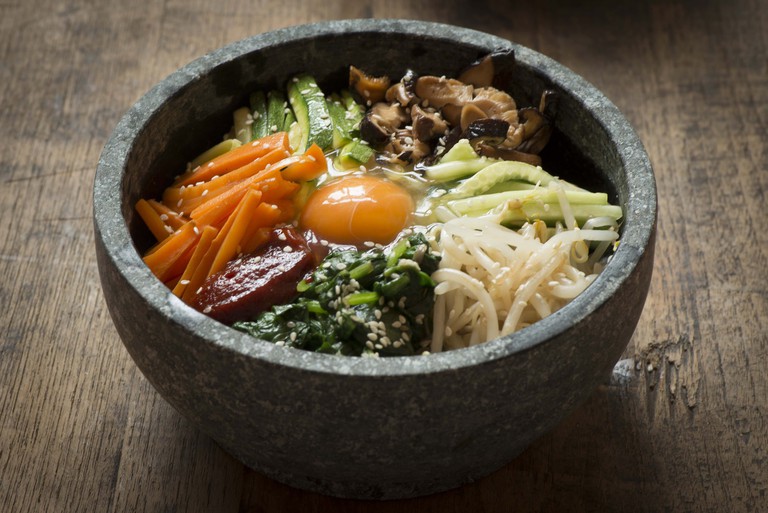
Bibimbap is essentially a bowl of mixed ingredients including, but not limited to, rice, namul (seasoned and sautéed vegetables),
mushrooms, beef, soy sauce, gochujang (chili pepper paste), and a fried egg. The ingredients found in bibimbap
vary by region, and the most famous versions of the dish are found in Jeonju, Tongyeong, and Jinju.
Japchae (stir-fried noodles)
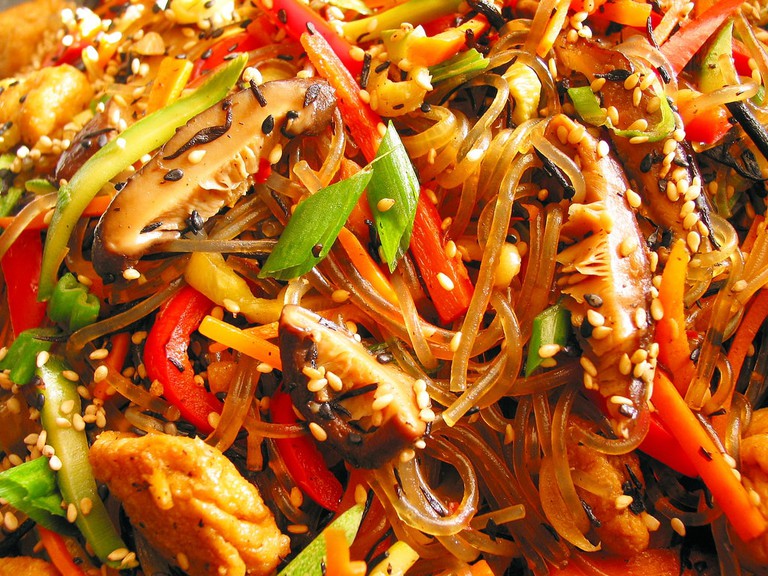
Often served as a side dish during lunch or dinner, japchae is a traditional Korean noodle dish made up of stir-fried sweet potato,
thinly shredded vegetables, beef, and a hint of soy sauce and sugar. Depending on the chef, additional ingredients like mushrooms
are added to the mix. Japchae is known for its sweet and flavorful taste and its soft yet slightly chewy texture.
Ddukbokki (spicy rice cake)
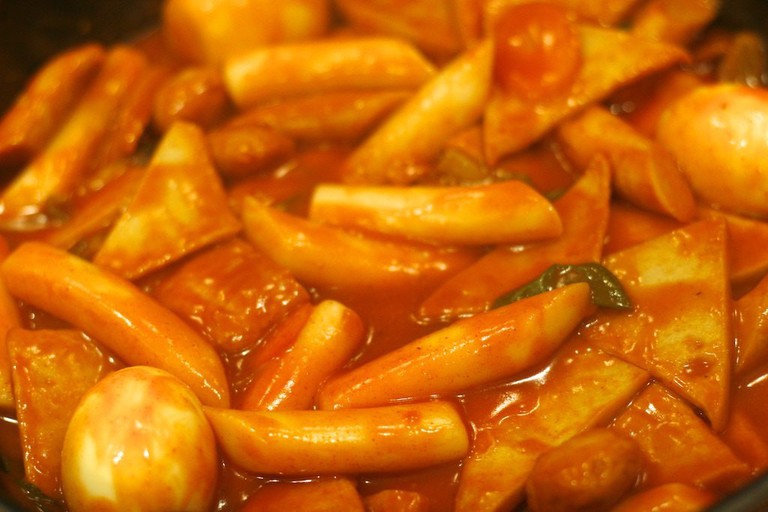
Ddukbokki, also spelled tteokbokki, is a common spicy Korean food made of cylindrical rice cakes, triangular fish cake, vegetables, and sweet red chili sauce.
It is often sold by pojangmacha (street vendors). People enjoy ddeukbokki for the combination of spicy and sweet flavors.
Bulgogi (marinated beef barbecue)
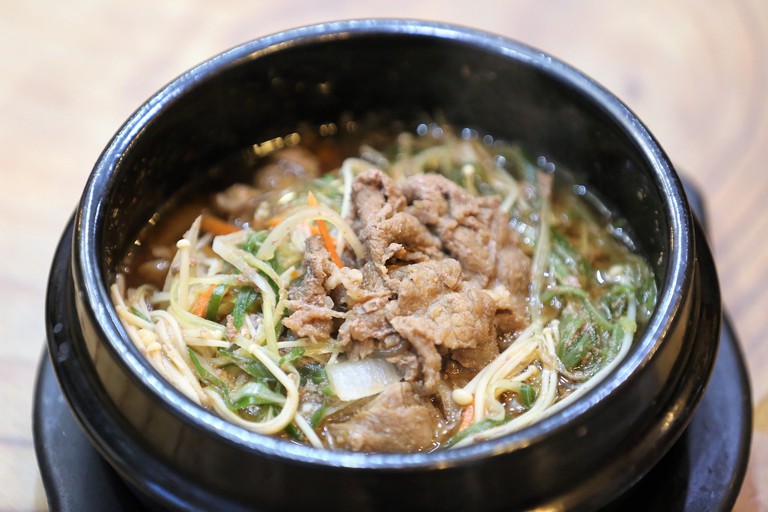
A juicy, savory dish of grilled marinated beef, bulgogi is one of the most popular Korean meat dishes throughout the world,
and was ranked as the 23rd most delicious food in the world according to CNN Travels readers poll in 2011. It is often grilled with garlic andsliced onions to add flavor to the meat. The meat is usually wrapped in lettuce and it is also traditionally eaten with ssamjang (a thick, red spicy paste).
GO TO TOP